Physical Address
304 North Cardinal St.
Dorchester Center, MA 02124
Physical Address
304 North Cardinal St.
Dorchester Center, MA 02124

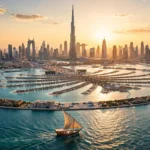
Dubai has spent a decade building one of the world’s most founder-friendly funding ecosystems. Sovereign-backed funds, a maturing VC scene, active angel networks and generous government programmes now sit alongside the city’s natural advantages: zero personal income tax, a strategic location between East and West, and a government that genuinely courts entrepreneurs.
But “founder-friendly” does not mean easy. Investors here are sophisticated and selective. This guide maps every major funding route in Dubai in 2026 — and what it actually takes to win.
Most Dubai startups begin self-funded — and the city’s relatively low setup costs (free zone licences from around AED 6,000–15,000 per year, indicative) make this viable further than in London or Singapore. Founders who bootstrap to early revenue raise later rounds from a position of strength.
The UAE has one of the region’s most active angel scenes. Key networks include Dubai Angel Investors, WAIN (Women’s Angel Investor Network) and various family-office-backed groups. Typical angel cheques run from AED 100,000 to AED 1 million. Angels here prize traction in the GCC market and founders with regional commitment — fly-in founders get polite smiles, not cheques.
The MENA VC ecosystem has matured dramatically. Major regional funds active in Dubai include names like BECO Capital, Global Ventures, MEVP, Shorooq and Arbor Ventures, alongside international funds with Dubai offices. Seed rounds typically range from AED 1–5 million; Series A from AED 5–20 million.
Sectors attracting the most capital in 2026: fintech (still dominant), AI and enterprise SaaS, logistics and supply chain, healthtech, and climate/greentech. E-commerce is funded selectively — unit economics must be proven.
This is where Dubai stands out. Key programmes include:
Regional accelerators like Flat6Labs, Techstars (MENA programmes) and sector-specific accelerators offer seed funding (typically AED 200,000–500,000) plus intensive mentorship. The best reason to join is not the cash — it is the network and the credibility signal to later investors.
Do not overlook the region’s family offices — Gulf family capital is enormous and increasingly directed at startups, often with more flexible terms than institutional VCs. Corporate venture arms of UAE conglomerates (in retail, logistics, banking) invest strategically in startups relevant to their industries.
For startups with revenue, venture debt and revenue-based financing (offered by regional fintech lenders) provide non-dilutive capital. Worth exploring before giving away more equity.
Dubai’s funding ecosystem in 2026 is deep, diverse and genuinely accessible — from angel cheques to sovereign-scale funds to government programmes that pay you to pilot. The founders who win are the ones who commit to the region, understand its rules, and show real traction. Bring those, and the capital is waiting.
Starting up in the Emirates? Read our business setup guides, finance explainers and UAE business news.