Physical Address
304 North Cardinal St.
Dorchester Center, MA 02124
Physical Address
304 North Cardinal St.
Dorchester Center, MA 02124

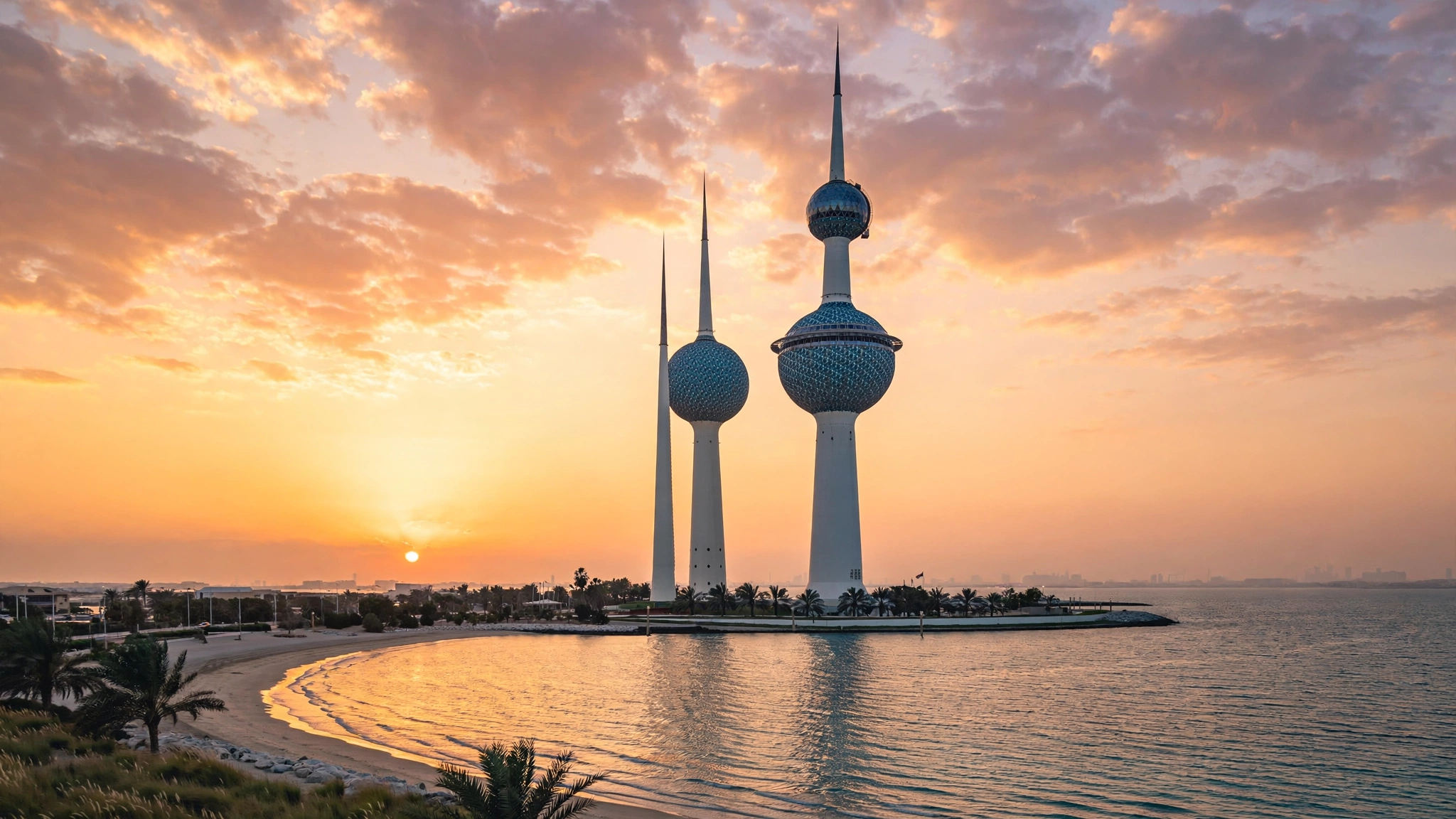
Kuwait is the Gulf destination most travellers skip — and that is exactly why it rewards those who go. Without Dubai’s crowds or Doha’s polish, Kuwait offers something increasingly rare in the region: a Gulf state that feels lived-in, traditional, and refreshingly un-touristy. The iconic Kuwait Towers still dominate the skyline, the old souqs still bustle, and the coastline along the Arabian Gulf is lined with local life rather than resort strips.
In 2026, Kuwait is slowly opening up to tourism, with an improved e-visa system and growing interest in cultural travel. Here is everything you need to know for a visit.
Kuwait’s visa system has improved significantly with the relaunched e-visa platform:
Always verify current eligibility for your nationality on the official portal before booking — rules can change.
Like the rest of the Gulf, Kuwait is best visited from November to March, when daytime temperatures sit between 15°C and 25°C. Summers are fiercely hot (45°C+), and spring can bring dust storms. Winter is also when Kuwait’s social life moves outdoors — to the Corniche, the chalets, and the desert.
The symbol of the country: three slender spires on the Gulf shore, the tallest topped with a revolving observation deck and restaurant in a glittering blue-green sphere. Go at sunset for the best views. An essential first stop.
Kuwait City’s old market — the beating heart of traditional Kuwait. Spice stalls, gold shops, falconry equipment, and some of the best cheap eats in the country. This is where Kuwait feels most alive, especially on weekend evenings.
One of the largest mosques in the region, with guided tours that offer real insight into Islamic architecture and Kuwaiti religious life. Modest dress required; tours are well-organised.
A beautifully landscaped urban park with museums, memorials, and walking trails — a favourite with locals for evening strolls and a green contrast to the desert city.
One of the largest malls in the Middle East, with distinct themed districts (including a replica Venetian quarter). Even if malls aren’t your thing, the scale is impressive — and the dining options are excellent.
A short ferry ride from the mainland, Failaka holds ancient Dilmun-era ruins, Greek archaeological sites, and abandoned villages from the 1990 invasion — a haunting, fascinating day trip for history lovers.
The Arabian Gulf Street corniche stretches for kilometres along the sea. Marina Beach and the Messilah area are popular for swimming; in winter, locals head to “chalets” (beach houses) along the southern coast.
Kuwaiti cuisine is hearty Gulf cooking at its best:
Souq Al-Mubarakiya is the best place to eat like a local — try the old restaurants around the fish market. Kuwait also has a strong café culture and excellent Lebanese, Iranian, and Indian restaurants.
If you want nightlife and theme parks, go to Dubai. If you want museums and polish, go to Doha. But if you want to see the Gulf as Gulf Arabs actually live it — traditional, proud, and refreshingly real — Kuwait is unmatched. In 2026, as the region’s tourism grows ever more polished, Kuwait’s authenticity is its greatest asset.
Exploring the region? Read more in our Gulf News section, compare travel destinations, and browse our tourism guides.