Physical Address
304 North Cardinal St.
Dorchester Center, MA 02124
Physical Address
304 North Cardinal St.
Dorchester Center, MA 02124

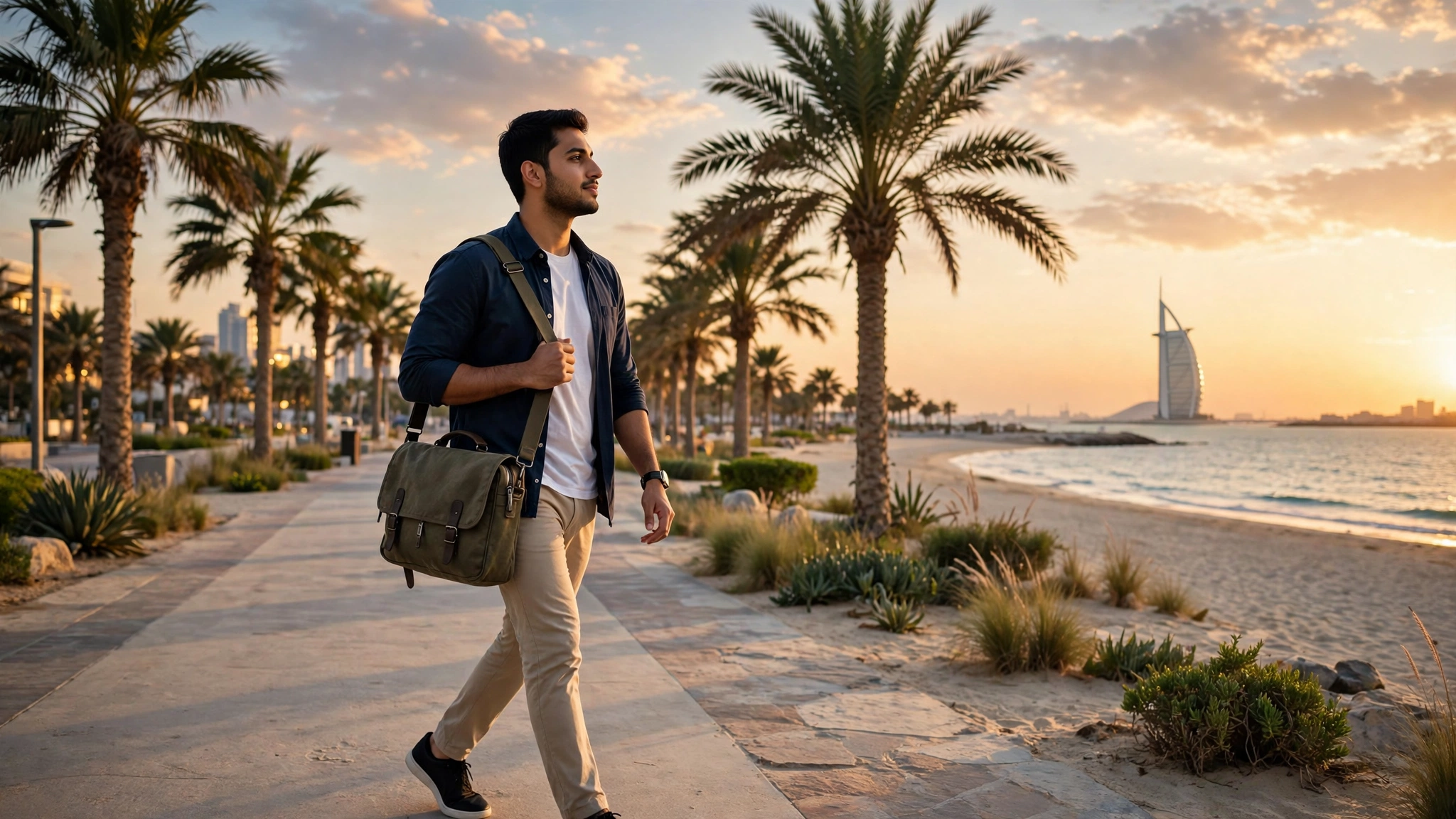
The UAE has a reputation for being a place where people work hard — and it is partly deserved. Tax-free salaries attract ambitious professionals, and the pace in sectors like finance, consulting, and real estate can be intense. But the picture has changed significantly in recent years: the government has actively legislated better balance, and the reality for most employees in 2026 is more structured than the old stereotypes suggest.
Since January 2022, the UAE federal government — and by extension much of the private sector — moved to a 4.5-day working week: Monday to Thursday full days, Friday half day, with Saturday and Sunday as the weekend. Sharjah went further with a full four-day week for government staff.
In the private sector, the standard is:
That said, enforcement and culture vary by industry. Multinationals and government entities generally respect the rules strictly; some local SMEs and sales-driven roles expect longer hours. Always clarify expectations before signing a contract — and check our jobs and career guides for more on UAE employment.
The UAE is generous on paper:
The catch? In practice, many professionals do not use their full leave. A 2024 regional survey found Gulf employees leave an average of 6–8 days unclaimed per year. If you move here, make taking your leave a non-negotiable habit from day one.
Dubai’s “always on” energy is exciting at first — then exhausting. Common burnout drivers here include:
Recognizing these patterns early is half the battle. The UAE now has a growing mental-health infrastructure, and seeking support carries far less stigma than it did five years ago.
With Saturday–Sunday off, treat Friday evening as your hard stop. The half-day Friday is a gift — use it for errands so your weekend is genuinely free.
The UAE’s small size is an advantage: Fujairah’s beaches, Hatta’s mountains, and Abu Dhabi’s Saadiyat Island are all under two hours away. Monthly micro-breaks prevent the “golden cage” feeling. See our UAE travel guides for ideas.
Join a sports league, take a class, volunteer. People whose entire social life is their office burn out fastest.
During hiring, ask directly about on-call expectations and after-hours messaging. Companies with healthy cultures will answer clearly; evasive answers tell you everything.
Blackout curtains, a consistent schedule, and a planned summer escape (or at least a staycation) make an enormous difference.
Remote and hybrid work are now well-established in the UAE. Many companies offer 1–2 work-from-home days, and the country’s digital nomad and freelance visa options mean location-independent careers are easier than ever to base here. Coworking spaces in every district make flexible work genuinely practical.
The Friday half-day sounds great on paper — but how does it actually work? In most companies, Friday runs roughly 8:00am–12:30pm, with many offices effectively winding down by 11:30. Government entities close at noon sharp. The practical effect: Friday afternoon becomes personal time — gym, errands, or a long lunch that rolls into the weekend.
One cultural note: Friday is the holy day, and Jumu’ah prayers around midday are important to Muslim colleagues. Even in secular workplaces, scheduling meetings for Friday morning is considered poor form. Plan your week so Friday is for wrapping up, not kicking off.
If the exhaustion stops lifting after weekends, take it seriously. The UAE’s mental-health landscape has matured enormously:
There is no shame in using these — Dubai’s high-pressure environment makes professional support a performance tool, not a weakness.
One underused lever for better balance: the UAE’s freelance permits (available through free zones like GoFreelance/TECOM) let employees legally run side businesses. Instead of grinding overtime for a raise, many professionals build a consulting or creative practice on the side — diversifying income and, paradoxically, making the day job feel less all-consuming.
The permit costs a few thousand dirhams a year and can pay for itself with a single client. Just check your employment contract for non-compete clauses first, and be realistic: a side hustle should fund your freedom, not become a second burnout.
New arrivals often misread the deal. A few reality checks:
The UAE offers a genuinely good deal for workers: strong legal protections, generous leave on paper, a short Friday, and a lifestyle that rewards time off well spent. The risk is cultural, not legal — the pressure to keep up can quietly erase your boundaries. Come with a plan to protect your time, and the tax-free salary becomes the bonus it should be, not the price of your health.