Physical Address
304 North Cardinal St.
Dorchester Center, MA 02124
Physical Address
304 North Cardinal St.
Dorchester Center, MA 02124

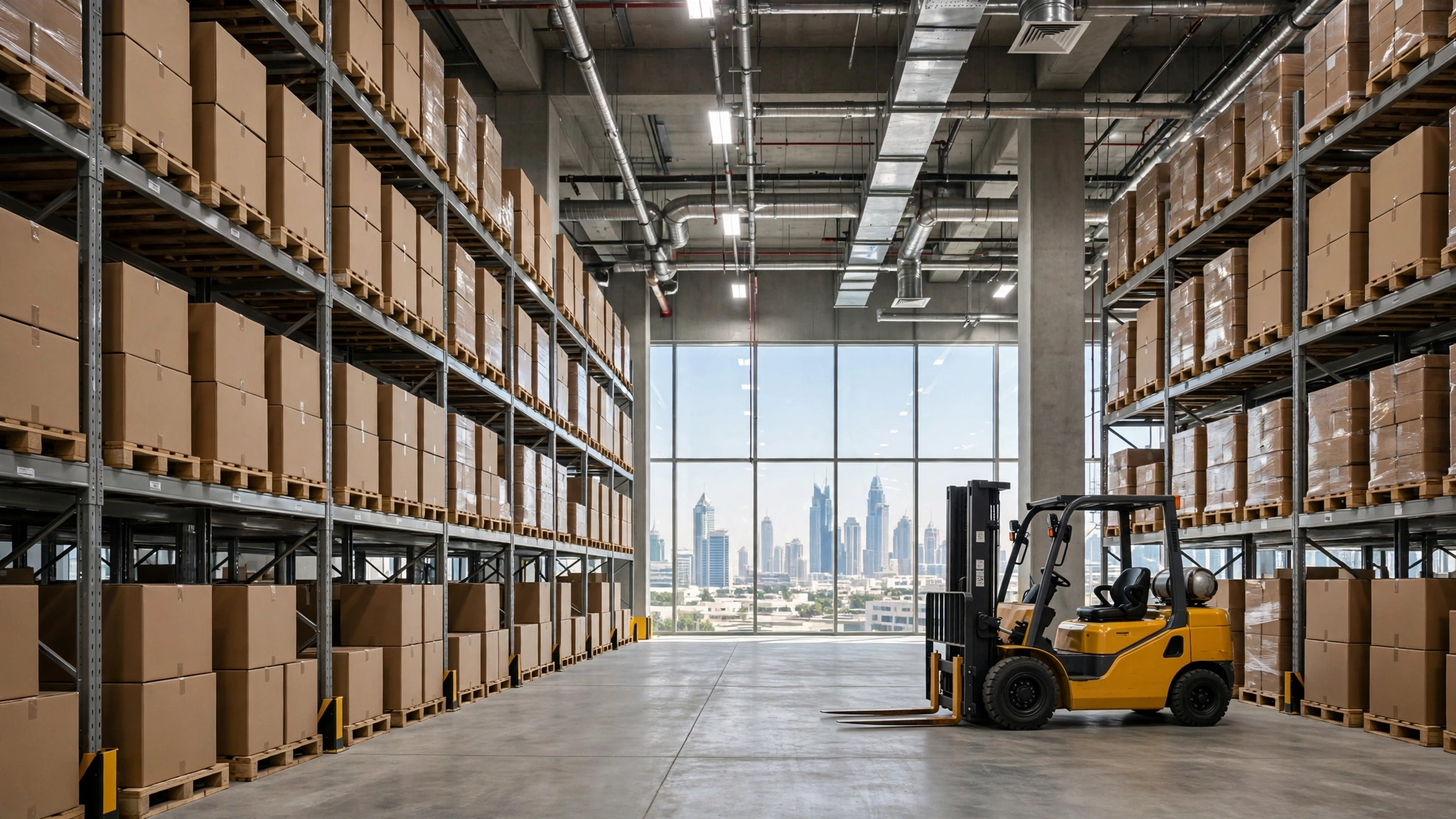
Dubai’s logistics sector is running hot. Average warehouse rents across the city’s commercial, industrial and storage facilities have reached around AED 49 per square foot, up nearly 7% year-on-year, driven by near-full occupancy and a shortage of premium Grade A space. For businesses, that means planning warehouse strategy early — the best-located space leases fast.
The classic choice: adjacent to Jebel Ali Port, the Middle East’s largest seaport, with free-zone benefits including 100% foreign ownership and customs efficiencies. Premium pricing reflects the location — ideal for importers, re-exporters and 3PLs serving the port.
A massive mixed-use industrial zone with strong value: warehouse listings here commonly run AED 24–30 per sq ft depending on payment terms (fewer cheques usually means a better rate). Well connected to Sheikh Zayed Road and the airport, DIP suits businesses that need space more than prestige.
Built around Al Maktoum International Airport and the Expo legacy, Dubai South is the growth story — modern Grade A logistics parks, strong e-commerce fulfilment presence and rents that have been climbing as the district matures.
Purpose-built for manufacturing and heavy logistics, with large plots and industrial infrastructure. Recent reports put Dubai Industrial City around AED 47.50 per sq ft annually, up sharply on strong demand.
Older, centrally located industrial areas popular with SMEs, workshops and last-mile operations serving the city itself. Smaller units and flexible terms, but ageing stock.
This is the single most important decision. Free zone warehouses (JAFZA, Dubai South, DAFZA) offer 100% ownership, customs duty suspension and streamlined setup — but trading directly into the UAE mainland market requires a local distributor or additional licensing. Mainland warehouses (DIP, Al Quoz, Dubai Industrial City) give unrestricted access to the domestic market. E-commerce sellers serving UAE consumers often prefer mainland or dual setups; re-export businesses lean free zone.
For the business setup angle, see our Business guides on mainland vs free zone structures on Gulf Notice.
Not every business needs its own shed. Consider:
Before signing anything, verify on site: clear height and floor loading capacity; dock doors vs grade-level access; power allocation in writing; fire fighting and Civil Defence compliance; staff facilities and labour accommodation rules; truck access and turning radius; flood history (some low-lying areas are vulnerable); and the landlord’s maintenance responsibilities. Photograph the snag list and attach it to the lease.
Dubai’s warehouse market rewards the prepared. With rents at record levels and quality space scarce, businesses that define their requirements clearly — location, grade, power, tenure — and move decisively are the ones that secure the right facility at the right price.