Physical Address
304 North Cardinal St.
Dorchester Center, MA 02124
Physical Address
304 North Cardinal St.
Dorchester Center, MA 02124

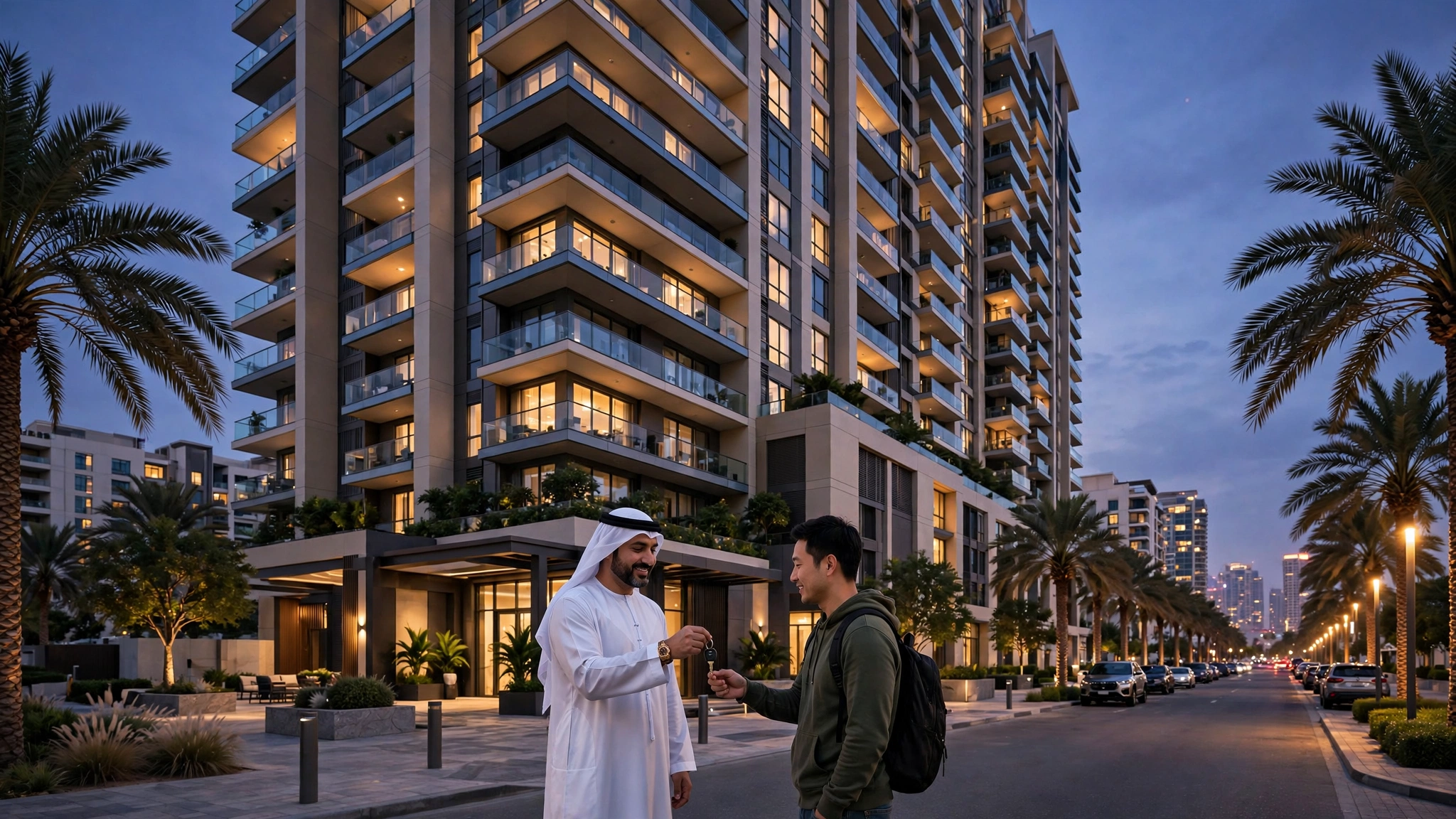
Dubai’s tenancy law surprises most newcomers: a landlord cannot evict you on a whim, cannot raise rent beyond the RERA index caps, and cannot change contract terms without 90 days’ written notice. In exchange, tenants carry real duties — pay on time, maintain the unit, and leave it in decent condition. The framework sits in Law 26 of 2007, amended by Law 33 of 2008, and disputes go to the specialised Rental Dispute Centre (RDC), which moves faster than regular courts. Here’s the practical version of who owes what.
Note: this is general information about UAE law, not legal advice. For disputes, consult a licensed UAE lawyer.
Every Dubai tenancy contract must be registered on Ejari, the official DLD system. A registered contract is your primary protection in any dispute — without it, enforcing your rights gets much harder. If your landlord hasn’t registered it, you can do it yourself with a copy of the contract. Registration costs around AED 220 and is typically arranged by the landlord or agent.
Landlords can only raise rent at renewal, and only within the RERA rental index slab system — from 0% up to a hard maximum of 20%:
Run your unit through the official calculator on the Dubai Land Department website or Dubai Rest app before agreeing to anything — screenshot the result as evidence. The landlord must also give 90 days’ written notice of any rent change before the contract ends.
Eviction mid-contract is only possible for serious breaches: non-payment after formal notice, illegal use of the unit, unauthorised subletting, or damage beyond normal wear. Your landlord cannot simply change their mind.
The landlord needs 12 months’ notice served through a notary public or registered mail — texts, emails and verbal requests don’t count. And eviction is only lawful for specific grounds:
One right that surprises people: if a landlord evicts you to move in personally and then re-lets the unit within two years (three for commercial), you can claim compensation at the RDC. If you see your old flat advertised months after a “personal use” eviction — screenshot it.
A Dubai lease renews automatically on the same terms unless one side gives 90 days’ written notice of a change. Silence means renewal, not expiry. This is why the 90-day notice rule matters so much — miss the window and the old terms roll over for another year.
The landlord is legally responsible for structural and major maintenance — AC central systems, plumbing infrastructure, water heaters, and anything affecting habitability. Tenants handle minor day-to-day upkeep: light bulbs, tap washers, curtain rails. Be cautious about contract clauses that dump major maintenance on you — legally, that responsibility sits with the landlord, and the RDC can order a landlord to act if reported issues go unresolved. Report problems in writing (email or WhatsApp) and keep records.
Dubai’s RDC is a specialised tribunal for rent disputes, eviction challenges, deposit claims and maintenance disagreements:
A frequent source of confusion: annual service charges for building maintenance, gyms, pools and security. In Dubai, the default position is that the landlord pays service charges — but many tenancy contracts shift this to the tenant, and courts generally uphold what the contract says. Always check the clause before signing, and factor AED 10–30+ per sq ft per year into your true housing cost if you’re paying them. Unpaid service charges can lead to the building management blocking your move-out clearance, so settle them before handover day.
Dubai leases are annual and the law doesn’t give tenants a free exit — but most contracts include an early termination clause, typically requiring 1–3 months’ notice plus a penalty of 1–3 months’ rent. Read this clause before you sign, not when you need it. If there’s no clause, you’re technically liable for the full remaining rent, though in practice landlords usually negotiate — an empty unit earns nothing. Whatever you agree, get the termination in writing and settle DEWA, chiller and service charges before handover. Never just stop paying and disappear: the landlord can file at the RDC and block your visa renewal processes.
Unauthorised subletting is grounds for eviction — always get the landlord’s written consent first. Sharing with flatmates in a property rented in your name is common, but know the framework: Dubai’s Law No. 4 of 2026 on shared housing (in force from August 2026) tightened the rules on partitioning villas and apartments into multiple occupied units. Overcrowded or illegally subdivided accommodation can bring fines for both tenants and landlords, and your Ejari won’t protect an arrangement the municipality deems unlawful. If you’re sharing, keep the occupancy reasonable and documented.
Investors take note: buying a property doesn’t end the existing tenancy. The lease transfers with the property, and as the new owner you inherit the tenant’s rights — including the 12-month notary eviction notice if you want vacant possession for personal use. Factor this into your purchase timeline and price negotiations. Many buyers specifically seek tenanted units for immediate rental yield; others discount their offers to account for the waiting period. Either way, verify the Ejari status and remaining lease term during due diligence.
Tenant rights: a safe, maintained property; proper notice before eviction or rent hikes; fair deposit return; access to the RDC. Landlord rights: rent on time; eviction on lawful grounds with proper notice; deposit deductions for proven damage; increases within the RERA index. Know the law before you sign — or before you send that heated WhatsApp. For more, browse our UAE legal guides and real estate coverage.