Physical Address
304 North Cardinal St.
Dorchester Center, MA 02124
Physical Address
304 North Cardinal St.
Dorchester Center, MA 02124

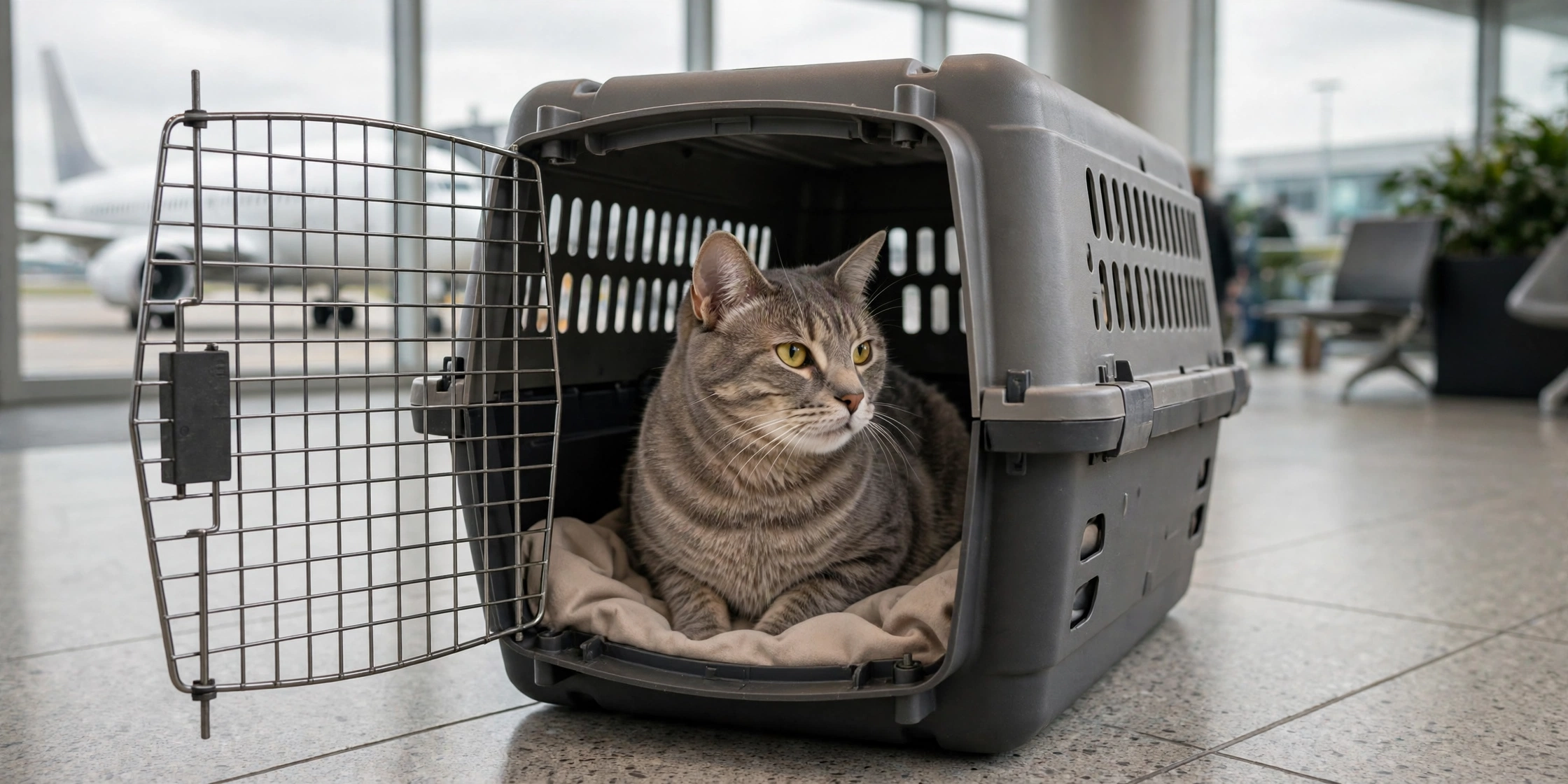
Bringing your dog or cat to the UAE is entirely doable — thousands of pets arrive every year — but it is a paperwork-heavy process with strict timing. One missing certificate or an expired permit can mean refused entry. This guide walks through the MOCCAE rules, required documents, banned breeds and realistic costs for 2026.
Every dog and cat entering the UAE needs its own import permit from the Ministry of Climate Change and Environment (MOCCAE), obtained before the pet travels. Airlines will not board your pet without it, and border officials will refuse entry. Apply through the MOCCAE services portal (moccae.gov.ae) using UAE Pass. The permit costs around AED 200 per animal and is typically valid for a limited window (commonly cited as 30 days from issuance — confirm the current validity when you apply, as rules are updated periodically). Each person may import a maximum of two companion animals per year.
On arrival, a separate release/inspection process applies, with fees commonly around AED 500 per dog and AED 250 per cat, plus handling charges at the cargo terminal.
The UAE prohibits importing breeds deemed dangerous, regardless of individual temperament. The list includes the American Pit Bull Terrier, American Staffordshire Terrier, Staffordshire Bull Terrier, American Bully, Dogo Argentino, Fila Brasileiro, Japanese Tosa, Presa Canario, Doberman Pinscher, Rottweiler, Cane Corso, Bullmastiff, Neapolitan Mastiff, Tibetan Mastiff, Boerboel, Bully Kutta, Dogue de Bordeaux and wolf hybrids or mixes involving these breeds. Exemptions exist for certified service, medical or emotional-support animals with prior authorisation. Always verify the current list before booking anything.
Confirm the current policy directly with the airline before booking — breed restrictions and seasonal temperature embargoes change frequently. Most airlines will not carry pets in the hold when ground temperatures are extreme.
All-in DIY budgets typically run AED 1,500–2,500 for a small cat from a straightforward country, and AED 5,000–8,000+ for a large dog from a Category B country. Full-service agents charge roughly AED 5,000–15,000 depending on the job.
MOCCAE groups origin countries by rabies risk. Pets from Category A (low-risk, e.g. most of Western Europe, Australia, Japan) face a simpler process: no titer test required. Pets from Category B countries need the rabies titer test (≥ 0.5 IU/ml from an approved lab) plus the associated waiting period before travel. Check which category your country falls in at the start — it determines your entire timeline and budget.
Pets arrive as manifest cargo, not with passenger baggage. Your agent (or you, if DIY) presents the MOCCAE import permit and documents at the cargo village, pays the release and inspection fees, and the pet goes through veterinary inspection. Allow 2–4 hours for clearance. Bring a leash, water and patience — your pet will be stressed, and a calm owner helps enormously.
Leaving the Emirates reverses the process: you’ll need a MOCCAE export health certificate (typically valid 7–10 days), destination-country import permits, and airline cargo booking. Timelines vary wildly — about a month for the US/UK/EU, up to seven months for Australia with its long waiting periods. Start the moment you know you’re moving; export is where most people get caught out by timing.
This is the question every owner dreads. The good news: the UAE does not impose routine quarantine on pets arriving with complete, correct documentation from recognised countries. Quarantine or refused entry happens when paperwork is missing, dates don’t align, or the pet arrives from a high-risk origin without the required titer test. In other words, quarantine is almost always the result of a paperwork failure, not policy — which is exactly why the timeline above matters so much.
Even a smooth journey is stressful. Give your pet a quiet room with familiar bedding, keep feeding times consistent, and avoid overwhelming them with visitors in the first days. Watch appetite, water intake and litter/box habits — stress-related tummy upsets are common and usually pass within days. If anything seems off beyond a week, see a vet. Then get into the local routine: register with the municipality, find your nearest park, and join the local pet-owner community. Within a month, Dubai will feel like home — for both of you.
Confident, organised owners can handle the process themselves and save thousands. An agent earns its fee when timelines are tight, the origin country is complex, the pet is large or snub-nosed, or you simply can’t afford a paperwork mistake. If you use one, choose an IPATA-member company with UAE experience and get the full quote in writing.
Once your pet clears the airport, register with Dubai Municipality, find a vet, and get pet insurance sorted early. Then check our pet guides for settling into life in the Emirates.
Rules and fees change — always confirm current requirements on the official MOCCAE portal before making plans.