Physical Address
304 North Cardinal St.
Dorchester Center, MA 02124
Physical Address
304 North Cardinal St.
Dorchester Center, MA 02124

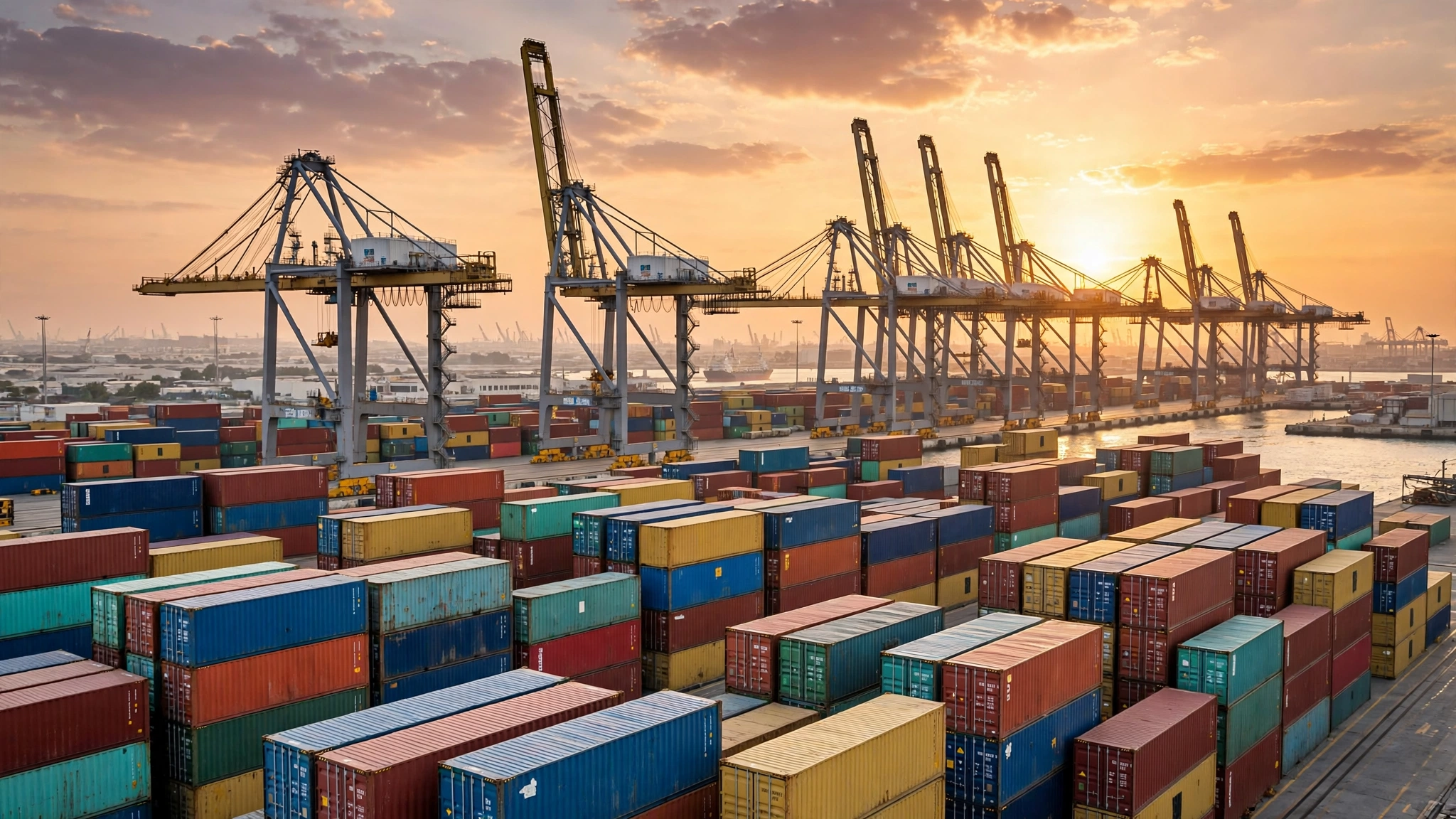
The UAE is one of the world’s great logistics hubs, and Jebel Ali Port in Dubai is the largest seaport in the Middle East. Most commercial cargo arrives by sea, clears customs at the port, and moves onward by truck across the Emirates or into the wider Gulf. Understanding the cost stack — freight, surcharges, port charges, duty and VAT — is the key to budgeting accurately.
Rates fluctuate with fuel prices, season and geopolitics, but recent benchmarks for the popular China-to-Jebel Ali lane give a useful planning range:
On top of base freight, expect surcharges: bunker adjustment (fuel), peak season surcharges around Ramadan and Chinese New Year, and war-risk surcharges that have been material on Gulf routings. Always ask for an all-in quote that itemises which surcharges are included — a cheap base rate with heavy surcharges is the oldest trick in freight.
Clearance in Dubai runs through Dubai Customs’ digital systems, and the single biggest cause of delays is inconsistent paperwork. Before dispatch, make sure these agree with each other exactly:
Vague descriptions (“general merchandise”) and conflicting quantities are the fastest route to an inspection hold. Some regulated goods — food, cosmetics, electronics, telecoms equipment — need additional approvals from the relevant authority before clearance.
The UAE applies a standard customs duty of 5% on the CIF value (cost + insurance + freight) for most goods, with higher rates on alcohol and tobacco and exemptions for certain categories. On top of that, 5% VAT applies to the CIF value plus duty. VAT is debited to the consignee’s VAT-registered account, so businesses need their tax registration in order before importing.
Beyond freight and tax, budget for the local charges levied per shipment at Jebel Ali. Indicative figures commonly quoted by clearing agents:
Free storage time at the port is limited — typically a few days — after which demurrage and detention charges accumulate fast. Arrange your clearing agent and trucking before the vessel berths, not after.
For the business context around importing, see our Business guides and Finance coverage on Gulf Notice.
For urgent or high-value goods, air freight through Dubai International or Al Maktoum airports is the answer. It costs multiples of sea freight per kilo but delivers in days rather than weeks. The same customs documentation rules apply — air cargo is inspected just as rigorously. Courier integrators (DHL, FedEx, Aramex) bundle clearance into their service for standard shipments.
Shipping to the UAE is straightforward once you respect the paperwork. The system is digital, the port is efficient and the rules are published — the importers who struggle are almost always the ones who treated documentation as an afterthought.