Physical Address
304 North Cardinal St.
Dorchester Center, MA 02124
Physical Address
304 North Cardinal St.
Dorchester Center, MA 02124

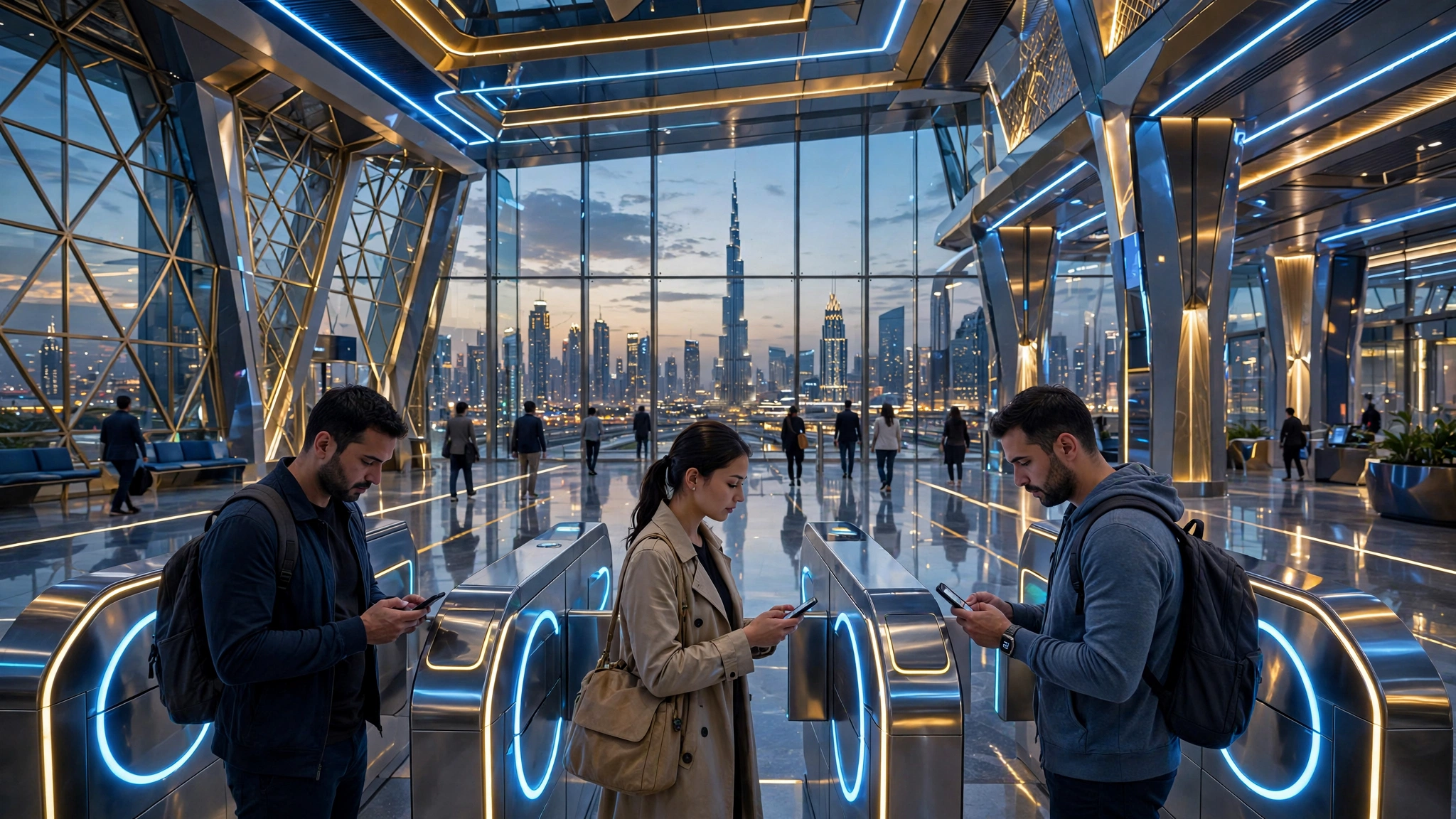
Dubai has long been a city that embraces the future early, and payments are no exception. The emirate’s cashless strategy is now shifting into high gear: the familiar nol card is set for a full digital upgrade at the start of 2027, cash is quietly disappearing from parking meters, and even tourists landing at DXB can now open a digital bank account within minutes of arrival. Whether you live in Dubai or are planning a visit, here is what the cashless transition means for you.
The biggest change on the horizon is the upgrade of Dubai’s nol card system. At the start of 2027, the Roads and Transport Authority (RTA) will switch from the existing card-based ticketing system to a digital, account-based ticketing platform.
What does that mean in practice? Instead of tapping a physical card, commuters will be able to pay for metro, bus, tram and marine transport directly from a digital account — likely through smartphones and wearables. Account-based ticketing generally brings benefits like automatic fare capping, easier top-ups, and the ability to manage multiple travel profiles from one account.
If you are a daily commuter, the advice is simple: keep an eye on RTA announcements in late 2026, when migration details, timelines and any action needed from existing nol card holders are expected to be confirmed.
You do not have to wait until 2027 to feel the shift. Since June 2026, Parkin — Dubai’s public parking operator — has been phasing out cash payments at parking meters across the city. Drivers now pay through the Parkin app, SMS, or linked digital wallets.
The direction of travel is clear: Dubai’s stated ambition is for 100 percent of transactions to eventually become paperless. Haggling at the souq with banknotes may soon feel like a memory from another era.
Visitors are a central part of the cashless plan, and several initiatives now make it easier for tourists to pay digitally from the moment they land:
The practical takeaway for visitors: you can now arrive in Dubai and be fully set up for cashless spending before you even leave the airport. Carrying large amounts of cash is increasingly unnecessary.
For residents, the transition is mostly about convenience — but it pays to prepare:
Dubai’s cashless strategy is part of a wider national push toward a digital economy — one that also includes the UAE’s experiments with digital assets and crypto payments in mainstream retail. For a city competing to be the world’s most visited and most business-friendly destination, frictionless payments are a competitive advantage.
The bottom line: whether you are a resident or a tourist, the message from Dubai is unmistakable — leave the wallet at home. The future of paying in the emirate is already here; 2027 just makes it official.
Planning a trip? Read our Dubai tourism guides and travel tips. New to the emirate? See about Gulf Notice.